Quantitative Electroencephalography (qEEG) is a specialized, non-invasive technology providing a detailed view into brain activity. Often referred to as “brain mapping,” this method measures the electrical impulses generated by the brain’s vast network of neurons. It offers insights into how different regions of the brain communicate and function. This type of testing can show us why we behave as we do and what may be changed to make us better.
- Non-invasive.
- Last about 90 minutes.
- Wear a specialized cap using 10/20 electrode placement system.
- Quiet environment to minimize external distractions.
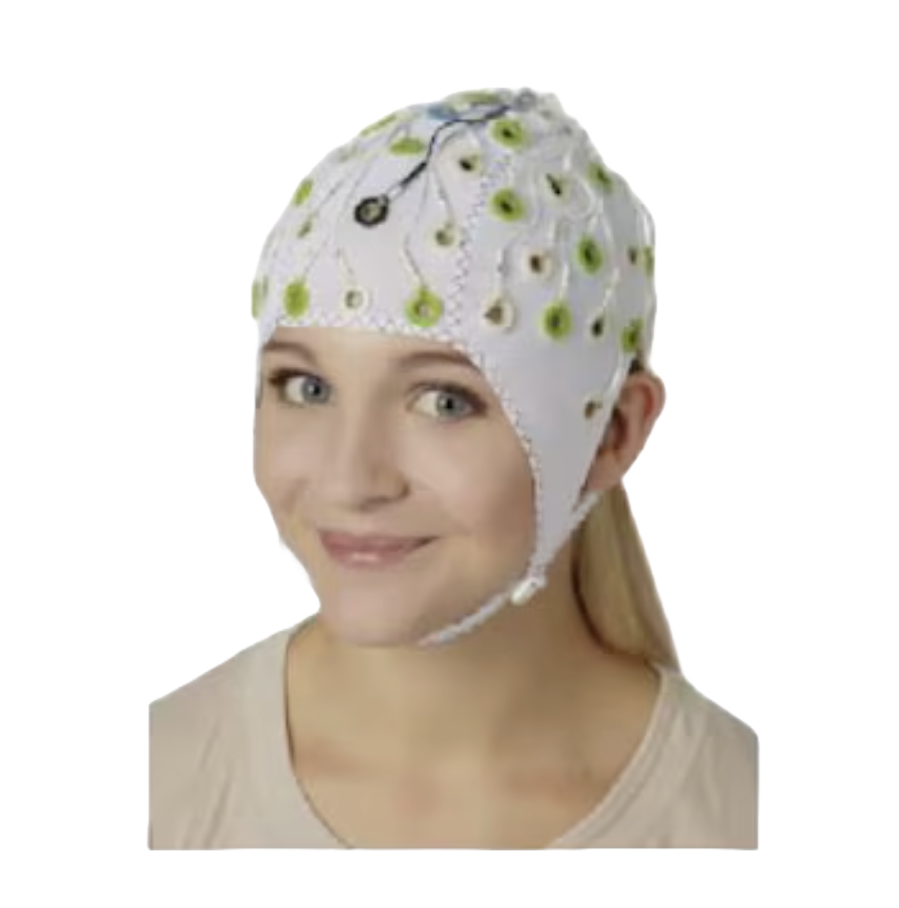
Understanding qEEG begins with its predecessor, the Electroencephalogram (EEG). An EEG is a test that detects electrical activity in the brain through small, flat metal discs, called electrodes, attached to the scalp. These electrodes pick up the synchronized electrical pulses generated when millions of neurons communicate, commonly known as brain waves.
Quantitative EEG (qEEG) builds upon traditional EEG by applying advanced computer analysis and statistical methods to the raw brain wave data. The “quantitative” aspect signifies this numerical analysis, which transforms the electrical signals into measurable metrics. Unlike a standard EEG, which often involves a visual interpretation of brain wave patterns, the Neuropittsburgh qEEG systematically employs the latest updates to this expanding technology.
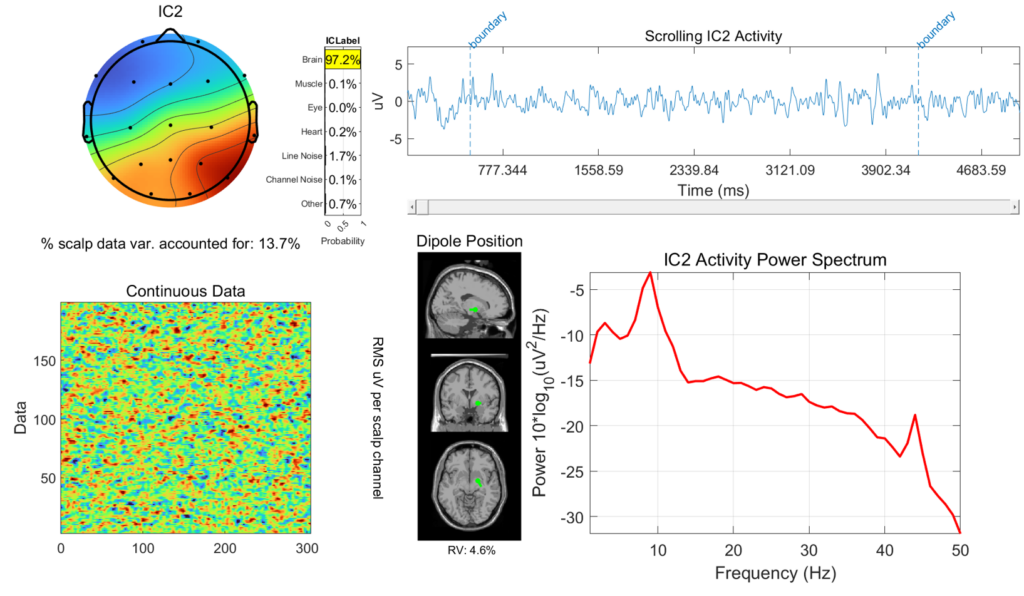
The software then performs spectral analysis, breaking down the brain’s electrical activity into its different frequency bands (delta, theta, alpha, beta, and sometimes gamma). This allows for a detailed examination of the power or amplitude of each brain wave type across various brain regions. The individual’s brain wave patterns are then compared against age-matched databases of healthy individuals. This comparison identifies areas where brain activity significantly deviates from the established norms, providing quantitative data on potential brain dysregulation. This highlights deviations from typical brain function, offering a more objective and detailed analyses.